
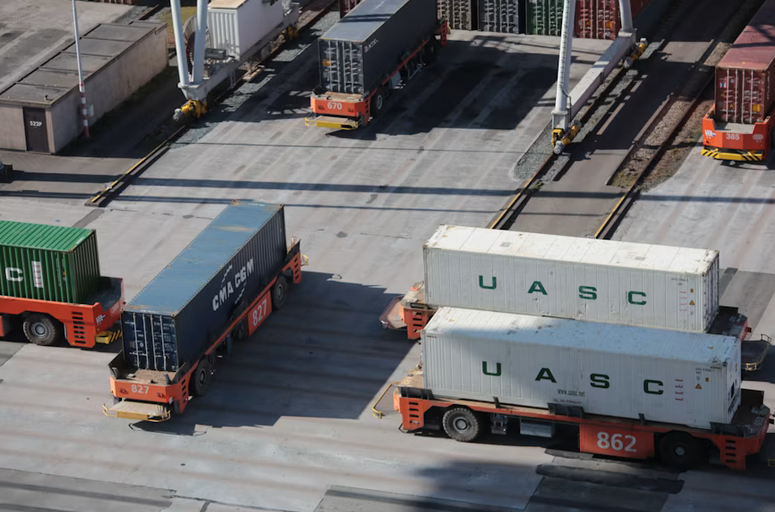
Freight transport has always been the backbone of global trade, but in recent years it has started to change in ways that go far beyond efficiency and cost. Companies are now rethinking how goods move across cities, countries, and continents, with a stronger focus on emissions, technology, and long-term resilience. What used to be a relatively straightforward question of speed and price is now tied to climate goals, regulatory pressure, and shifting customer expectations. The result is a gradual but undeniable transformation toward cleaner, smarter freight systems that balance performance with sustainability.
Rising Pressure From Climate Goals and Regulation
One of the biggest drivers behind this shift is the growing weight of environmental regulation. Governments and regional bodies are introducing stricter emissions targets that directly affect freight operators, forcing them to rethink fuel choices, fleet composition, and routing strategies. At the same time, global climate agreements are pushing industries to align with long-term decarbonization goals. Logistics companies that once focused almost exclusively on cost efficiency are now being measured against carbon output, which has fundamentally changed decision-making across the sector.
How Industry Leadership Is Responding
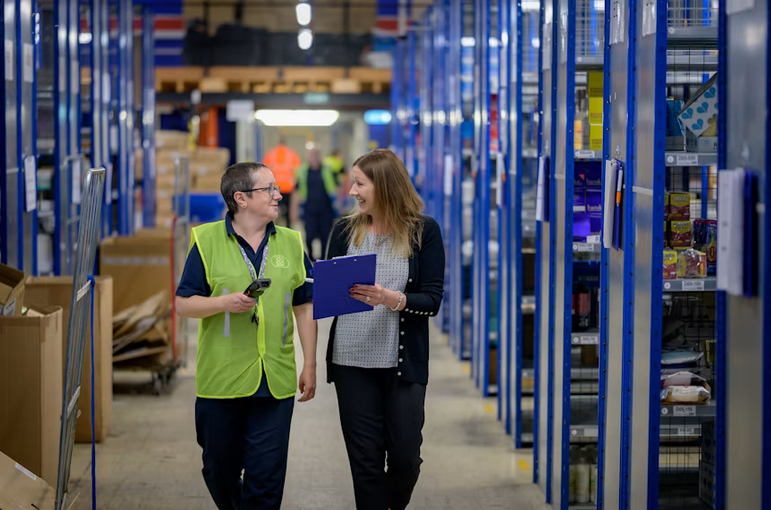 Within the logistics world, senior decision-makers are increasingly aware that sustainability is no longer optional. Conversations in boardrooms now include emissions reporting, fleet electrification, and energy efficiency alongside traditional operational concerns. A modern shipping exec is often expected to balance immediate commercial demands with long-term environmental commitments, which has made strategic planning more complex but also more forward-thinking. This shift in leadership mindset is accelerating investment in cleaner technologies and more adaptive supply chain models.
Technology for Rewriting Freight Operations
Digital transformation is another powerful force behind the evolution of freight systems. Advanced route optimisation tools, real-time tracking, and predictive analytics are helping companies reduce unnecessary mileage and improve load efficiency. Artificial intelligence is being used to forecast demand more accurately, which reduces waste and prevents underutilised transport capacity. These technologies not only improve performance but also significantly lower emissions by making every movement of goods more intentional and efficient.
The Push for Alternative Energy and Fleet Innovation
A major part of the transition involves changing what powers freight vehicles. Electric trucks, hydrogen fuel cells, and hybrid systems are gradually entering commercial use, especially in urban and regional logistics networks. While adoption is still uneven, early investments are showing promising results in reducing operational emissions. Companies are also redesigning depots and warehouses to support charging infrastructure and cleaner energy use, signalling that the shift is not just about vehicles but entire logistics ecosystems.
Customer Expectations and Supply Chain Transparency
Modern customers, including large corporations and end consumers, are increasingly aware of the environmental impact of their purchases. This has placed pressure on logistics providers to offer transparent reporting on emissions and sustainability performance. Businesses that can demonstrate cleaner supply chains often gain a competitive advantage, especially in sectors where ESG criteria influence procurement decisions. As a result, freight operators are now competing not only on speed and cost but also on how responsibly they move goods.
Urbanization and the Complexity of Last-Mile Delivery
Growing urban populations have made last-mile delivery one of the most challenging aspects of freight logistics. Congested cities, strict low-emission zones, and rising delivery expectations have forced companies to rethink how goods reach their final destination. Smaller electric vehicles, consolidated delivery hubs, and smarter scheduling systems are helping reduce both congestion and emissions in densely populated areas. This urban pressure is accelerating innovation across the entire logistics chain.
The shift toward cleaner, smarter freight systems is not being driven by a single factor but by a combination of regulation, technology, leadership change, and evolving customer expectations. Together, these forces are reshaping how goods move through the global economy. While the transition is still underway, it is clear that freight logistics is entering a new era where efficiency and sustainability are no longer separate goals but deeply interconnected priorities.

 Before you launch your product, it is important to understand your target market and what they want. This means conducting market research to determine the needs and wants of your potential customers. Only then can you develop a product that meets their needs and preferences. Additionally, you should also consider your target market’s buying habits. What are their spending patterns? When do they make purchasing decisions? By understanding your target market, you can develop a marketing strategy to effectively reach them.
 But all four considerations are moot if you don’t have a good marketing strategy. Even the best products will fail if they are not properly marketed. That’s why it is essential to have a well-thought-out marketing plan before launching your product. Your marketing plan should include various elements, such as market research, target markets, positioning, and messaging. Not sure where to start? Don’t worry. There are plenty of marketing consultants out there who can help you develop a successful marketing plan.
 A Nike shoe bot is a computer program that allows you to purchase sneakers from the Nike website. It automates the process of adding items to your cart and checking out, making it easier and faster than ever before! Enter the size and style of sneaker you want, and the bot will take care of the rest. The bot connects to Nike’s website and automatically adds the sneakers that you want to your cart. It then checks out quickly and efficiently, ensuring that you get your sneakers as soon as possible. Plus, by renting a bot rather than purchasing one outright, you can save money!
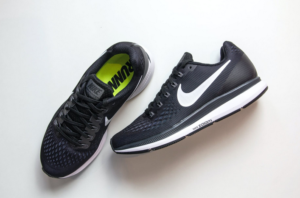 The benefits of renting a Nike shoe bot are numerous. You can save money by renting rather than purchasing a bot outright. The Nike shoe bots are easy to use and connect to Nike’s website, making the process quick and simple. If you’re looking for a way to get your hands on the latest Nike sneakers, renting a Nike shoe bot is the perfect solution. Bots often have features that allow you to bypass campouts and long wait times so that you can get your sneakers as quickly as possible. Plus, renting a bot gives you access to the latest sneaker releases without having to worry about spending hours online or waiting in line.

 One of the most common issues that modern traders deal with is the fact that the advancements of the Internet also means high risks of digital crimes and frauds. For this reason, people are still afraid of setting up their online business, especially when they have to deal with daily payments. However, Shopify can guarantee highly secure payments and overall process, from ordering to shipping, to make sure both traders and buyers can feel safe during transactions. Running your business through this platform can also help you build your credibility, meaning that it will attract more potential customers. Since it offers high-level protection, you will no longer need to worry about scams, frauds, or simply technical glitches.
 The revolutionary program by Tony Robbins is very beneficial to people access live training and those that use the mindmint software. You will definitely upsurge your knowledge power as you seek to become successful with your business. It is essentially one of the distinctive programs used to create a successful business venture with the assistance of a mastermind group.
 The location decides the success rate of the café. Thus, you need to choose the right location to set it up. College students are most frequent to internet café. It is a good idea to build one near a college or school. If this is not possible, then you have to ensure that the area has high traffic and minimal competitors around you.
 It is advisable to install the required software in each computer for customer registration and log-in. Ask your customers to provide you with their IDs each time they visit your cyber café. Block pages that are likely to transmit viruses to your computers. You need reliable anti-virus software. Ensure you clear the cookies and history at least once each day.