
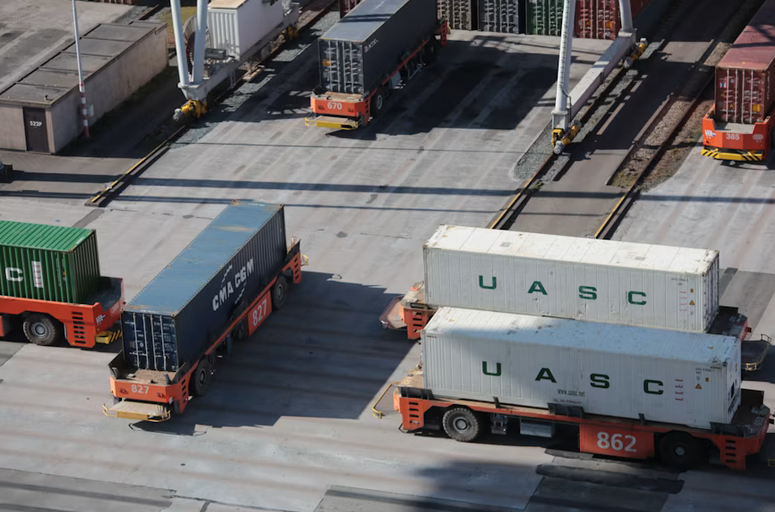
Freight transport has always been the backbone of global trade, but in recent years it has started to change in ways that go far beyond efficiency and cost. Companies are now rethinking how goods move across cities, countries, and continents, with a stronger focus on emissions, technology, and long-term resilience. What used to be a relatively straightforward question of speed and price is now tied to climate goals, regulatory pressure, and shifting customer expectations. The result is a gradual but undeniable transformation toward cleaner, smarter freight systems that balance performance with sustainability.
Rising Pressure From Climate Goals and Regulation
One of the biggest drivers behind this shift is the growing weight of environmental regulation. Governments and regional bodies are introducing stricter emissions targets that directly affect freight operators, forcing them to rethink fuel choices, fleet composition, and routing strategies. At the same time, global climate agreements are pushing industries to align with long-term decarbonization goals. Logistics companies that once focused almost exclusively on cost efficiency are now being measured against carbon output, which has fundamentally changed decision-making across the sector.
How Industry Leadership Is Responding
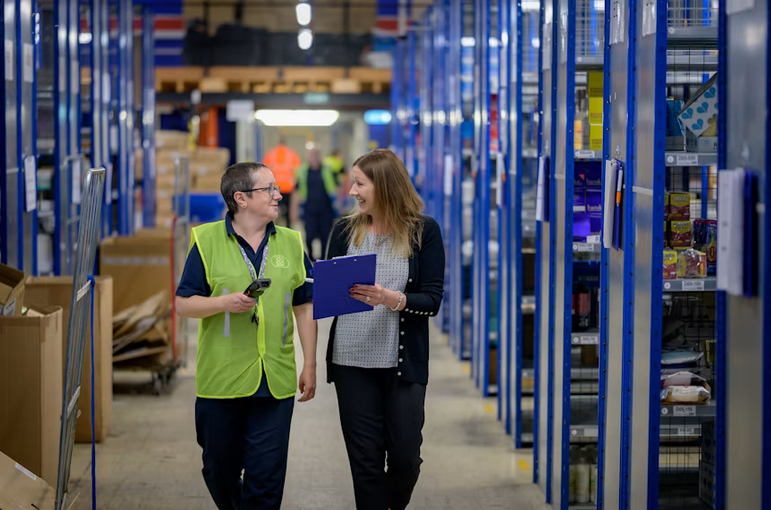 Within the logistics world, senior decision-makers are increasingly aware that sustainability is no longer optional. Conversations in boardrooms now include emissions reporting, fleet electrification, and energy efficiency alongside traditional operational concerns. A modern shipping exec is often expected to balance immediate commercial demands with long-term environmental commitments, which has made strategic planning more complex but also more forward-thinking. This shift in leadership mindset is accelerating investment in cleaner technologies and more adaptive supply chain models.
Technology for Rewriting Freight Operations
Digital transformation is another powerful force behind the evolution of freight systems. Advanced route optimisation tools, real-time tracking, and predictive analytics are helping companies reduce unnecessary mileage and improve load efficiency. Artificial intelligence is being used to forecast demand more accurately, which reduces waste and prevents underutilised transport capacity. These technologies not only improve performance but also significantly lower emissions by making every movement of goods more intentional and efficient.
The Push for Alternative Energy and Fleet Innovation
A major part of the transition involves changing what powers freight vehicles. Electric trucks, hydrogen fuel cells, and hybrid systems are gradually entering commercial use, especially in urban and regional logistics networks. While adoption is still uneven, early investments are showing promising results in reducing operational emissions. Companies are also redesigning depots and warehouses to support charging infrastructure and cleaner energy use, signalling that the shift is not just about vehicles but entire logistics ecosystems.
Customer Expectations and Supply Chain Transparency
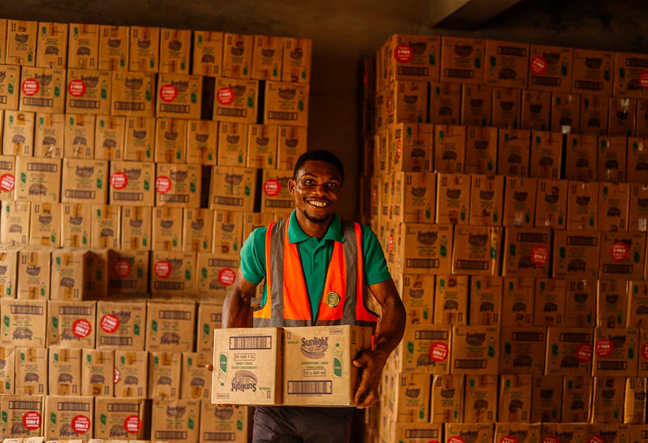
Modern customers, including large corporations and end consumers, are increasingly aware of the environmental impact of their purchases. This has placed pressure on logistics providers to offer transparent reporting on emissions and sustainability performance. Businesses that can demonstrate cleaner supply chains often gain a competitive advantage, especially in sectors where ESG criteria influence procurement decisions. As a result, freight operators are now competing not only on speed and cost but also on how responsibly they move goods.
Urbanization and the Complexity of Last-Mile Delivery
Growing urban populations have made last-mile delivery one of the most challenging aspects of freight logistics. Congested cities, strict low-emission zones, and rising delivery expectations have forced companies to rethink how goods reach their final destination. Smaller electric vehicles, consolidated delivery hubs, and smarter scheduling systems are helping reduce both congestion and emissions in densely populated areas. This urban pressure is accelerating innovation across the entire logistics chain.
The shift toward cleaner, smarter freight systems is not being driven by a single factor but by a combination of regulation, technology, leadership change, and evolving customer expectations. Together, these forces are reshaping how goods move through the global economy. While the transition is still underway, it is clear that freight logistics is entering a new era where efficiency and sustainability are no longer separate goals but deeply interconnected priorities.